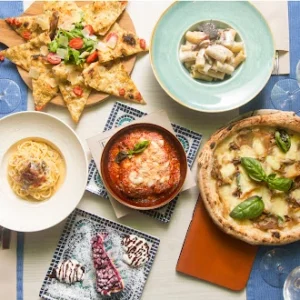
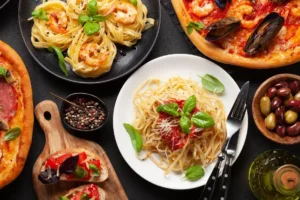
From the rich taste of Pizzoccheri, from the Valtellina region, to the freshness of arancini in Sicily, traditional Italian cuisine is beautiful and versatile, giving any food enthusiast a run for their money. The dishes mostly focus on fresh, high-quality, and simple ingredients that explode in your mouth into a cacophony of flavors, creating a unique experience that underlines comfort, warmth, and centuries of history and tradition. To give our readers a true appreciation for these dishes, Emma & Lorenzo Trattoria has created this blog post, detailing the role that simple ingredients and a culture of hospitality play in different parts of Italy.
Tasting The Italian Profile: The Role Regional Ingredients Play
You know when you’re eating an Italian dish? How do you know it’s a traditional Italian dish? From tomatoes to olive oil, goat cheese to basil, several ingredients give Italian cuisine its distinct flavor.
Here is a list of the core ingredients that make traditional Italian cuisine stand out.
- Extra Virgin Olive Oil
Olive oil is used to make sauces, simmer soups, and as a dressing on top of salads. Soffritto is a prime example in which olive oil is used to slowly cook carrots, minced onion and celery together to create a complex flavor of sweet and savory.
- Butter
This gives the dishes a rich and creamy flavor, perfect for a winter night dinner. When you eat something like burro e salvia, it’s the butter that gives the sauce that velvety texture.
- Basil
Another signature ingredient in traditional Italian cuisine, basil is what gives the dishes their spicy yet sweet flavor. It’s most commonly included in tomato-based dishes and capri salads.
- Oregano
Not just found on pizza toppings, oregano is responsible for giving Italian cuisine its distinct earthy flavor. Expect it in pasta dishes as well as tomato sauces.
- Pomadoro Tomatoes
Every Italian dish needs to have a specific type of tomato. These are celebrated for their sweetness and low acidity levels, perfect for a variety of Italian dishes we all love!
- Balsamic Vinegar
Celebrated for its unique sweet and tangy flavor profile, balsamic vinegar is what gives a lot of Italian meat dishes, desserts, and salads their distinct flavor.
- Anchovies
Small yet impactful, these tiny fish are the star ingredients in several sauces and dishes, playing a key role in their rich, umami flavor.
- Mozzarella Cheese
Light, creamy, and rich, Mozzarella cheese is used as a finishing ingredient over countless lasagne, pizzas, and salads.
Touring Traditional Italy: How Flavors Change With The Region
When considering Italian cuisine, it’s important to remember that Italy is a country with varying geographical, agricultural, and historical influences; each plays its part in lending the local cuisine its signature flavor. While the North features rich and hearty dishes thanks to the cooler climate and neighboring countries, the central region has a robust and rustic flavor profile.
Here is a look at the three regions of Italy, their star dishes, and featured flavors.
- Northern Italy
Cooler and surrounded by countries like France and Switzerland, the Northern region of the country features dishes that favor heavy meats and dairy. A few examples from the North include:
- bagna càuda: A star dip that defines Piedmont; recognized for its luxurious flavor and earthy tones thanks to the anchovies and truffles used.
- Risotto alla Milanese: a key dish in Lombardy; this is a rich dish made from rice, with the distinct lightness that relies on saffron.
- Central Italy
A balance between the two regions, Central Italian cuisine features rustic and countryside flavors with plenty of roasted dishes, cured meats, and heavy cheeses. If you’re looking for something to try from this area, go for:
- bistecca alla Fiorentina: Best found in Tuscany; this dish features a hearty beef with a combination of olive oil and simple seasonings of salt and pepper.
- Carbonara: If you want something from Rome, try this pasta dish with its cured pork, black pepper, and pecorino cheese
- Southern Italy
The South of Italy is celebrated for its light yet pungent flavors, featuring spices, olive oil, and lots of aquatic meat. Influenced by its Mediterranean climate, Arab and Greek touches. f you want something from this region, try:
- Traditional pizza: the iconic dish was invented in Naples and features simple ingredients like tomatoes, mozerella cheese and olive oil.
- Caponata: A sweet and sour eggplant dish; you should try this dish if you want something from the island of Sicily.
Conclusion
Traditional Italian cuisine varies vastly, depending on the region you visit or the flavors you want to experience. While most Italian dishes are recognized by their umami-infused, olive oil-drizzled tomato richness, the flavors have a way of changing almost dramatically. The main emphasis is always on simplicity and quality, with Caponata being famous from the South, bistecca alla Fiorentina a good traditional choice from Tuscany, and bagna càuda an excellent dish from the North.
FAQs
Are spaghetti and meatballs a traditional Italian dish?
No. Traditional Italian cuisine serves meatballs separately from the pasta and uses less sauce.
What are some Italian food etiquette?
Some Italian cuisine etiquette includes not drinking cappuccino with your meals, going for espresso after dinner, and using bread to soak up any leftover sauce.
Is Italian food always heavy?
No. Traditional Italian food is light and flavorful, meant to showcase the flavors of the ingredients.